

t
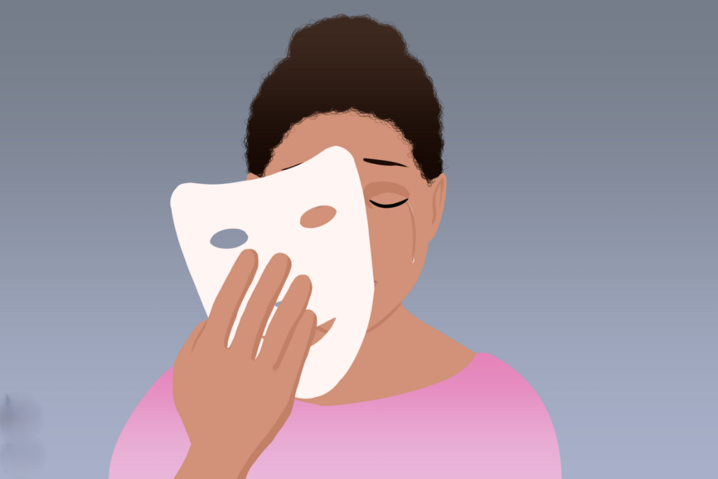
Masking is a behavioural strategy where individuals hide or alter aspects of themselves to fit into social norms. While it can help people navigate social situations, masking often comes at a psychological cost. This blog explores what masking is, why it occurs, its impact, particularly on girls, and practical steps for safely “taking off the mask” (Hull et al., 2017).
What is Masking?
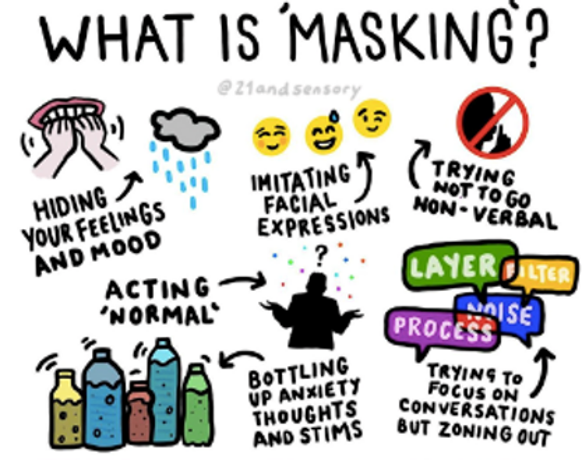
Masking involves suppressing natural behaviours, emotions, or traits to avoid negative judgment or social exclusion. It is commonly associated with neurodivergent individuals, such as those with Autism Spectrum Condition (ASC) or Attention Deficit Hyperactivity Disorder (ADHD), but anyone can mask under social pressure (Pearson et al., 2021). For example, a teenage girl with autism may force herself to maintain eye contact and smile during conversations, even though it feels uncomfortable. She does this to avoid being labelled as “rude” or “awkward” (Hull et al., 2017).
Why Do People Mask?
- Social Acceptance: To fit in and avoid stigma.
- Safety: To prevent bullying or discrimination.
- Performance Pressure: To meet academic or workplace expectations.
Girls, in particular, are often socialised to be “polite” and “pleasing,” which can intensify masking behaviours. Research suggests autistic girls are more likely to camouflage their traits than boys, leading to delayed diagnosis and support (Pearson et al., 2021).
The Psychology Behind Masking
Masking is rooted in social conditioning. From an early age; children learn what behaviours are deemed “acceptable.” For neurodivergent individuals, this often means suppressing natural responses, such as stimming or avoiding eye contact, to avoid negative reactions (Hull et al., 2017). For girls, societal expectations around appearance and behaviour amplify this pressure, making masking more prevalent and harder to detect (Cage & Troxell-Whitman, 2019).
Unmasking the Truth: Understanding Masking and How to Remove It
The Hidden Costs of Masking
While masking can provide short-term benefits, its long-term consequences are significant:
- Emotional Burnout: Continuous self-monitoring is exhausting.
- Anxiety and Stress: Fear of being “found out” creates chronic tension.
- Loss of Identity: Individuals may struggle to recognise their authentic selves.
- Delayed Support: Masking can hide signs of distress, delaying diagnosis and intervention.
Cage et al (2019) noted that camouflaging behaviours are linked to increased anxiety and depression among autistic individuals. For instance, an autistic girl may excel academically and appear socially competent at school, but collapse emotionally at home due to the effort of masking all day (Pearson et al., 2021).
Cultural Influences
Cultural norms shape masking behaviours. In societies that value conformity and politeness, masking may be more prevalent. Girls in such cultures often face additional pressure to maintain a “perfect” image, making unmasking even harder (Hull et al., 2017).
How to Remove the Mask Safely
Unmasking should be gradual and prioritise emotional safety (Pearson et al., 2021):
- Create Safe Spaces: Surround yourself with supportive people who accept you as you are.
- Start Small: Begin unmasking in low-risk situations, such as with trusted friends or family.
- Practice Self-Awareness: Notice when you’re masking and why. Journaling can help identify patterns.
- Seek Professional Support: Therapists can guide the process and provide coping tools.
- Celebrate Authenticity: Embrace your true self without guilt.
Tips for Families and Educators
- Validate Emotions: Acknowledge feelings without judgment.
- Offer Sensory Breaks: Provide quiet spaces or calming activities.
- Avoid Over-Scheduling: Allow downtime to reduce stress.
- Model Acceptance: Show that differences are valued, not punished (Cage & Troxell-Whitman, 2019).
Creating an environment of understanding reduces the need for masking and promotes well-being.
Conclusion
Masking is a complex coping mechanism that can protect individuals in the short term but often leads to long-term emotional strain. Girls, in particular, face unique challenges due to societal expectations and gender norms. By fostering acceptance and supporting gradual unmasking, we can help individuals reclaim their authentic selves. Taking off the mask isn’t about changing who you are, it’s about embracing who you’ve always been (Hull et al., 2017; Pearson et al., 2021).
If you are concerned that your child may be masking and could be neurodivergent, Valuing Minds offers both Autism and ADHD assessments with virtually no waiting list. See Autism Assessment and ADHD Assessments for more details.
We can also help schools and employers think about how to support children and young people with ADHD. If you would like more information about this, pleadse get in touch: Connect
References
- Hull, L., Petrides, K. V., & Mandy, W. (2017). Behavioural camouflaging in autism: Conceptualisation, measurement, and implications. Autism, 21(6), 702–713. https://doi.org/10.1177/1362361316671012
- Cage, E., & Troxell-Whitman, Z. (2019). Understanding the reasons, contexts and costs of camouflaging for autistic adults. Journal of autism and developmental disorders, 49(5), 1899-1911.
- Pearson, A., Rose, K., & Rees, J. (2021). Masking and mental health in neurodivergent individuals. Advances in Autism, 7(3), 246–259. https://doi.org/10.1108/AIA-01-2021-0004
Leave a Reply